
Tiki’s Quick Guide to Fracking
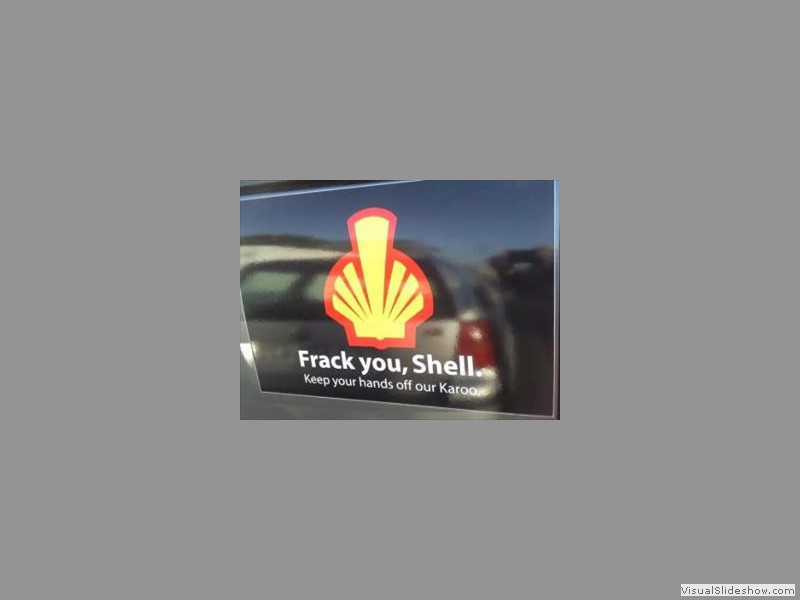
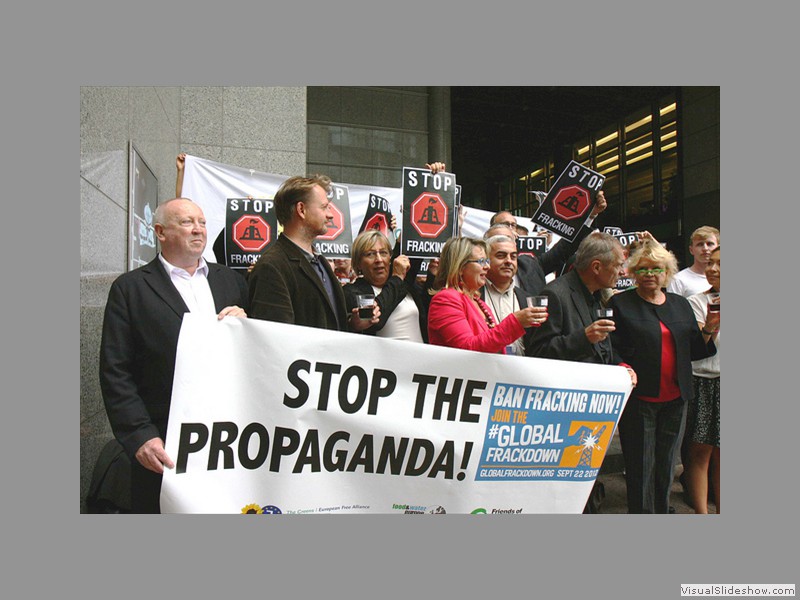
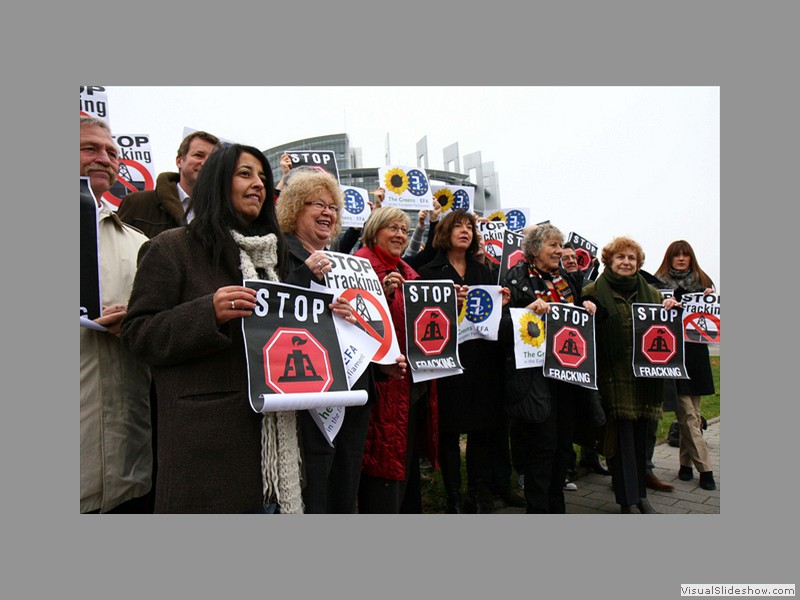
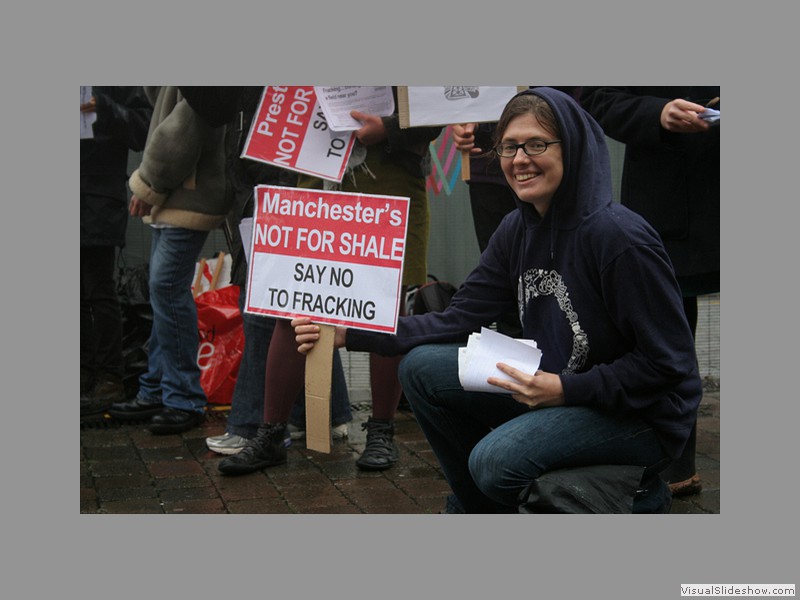
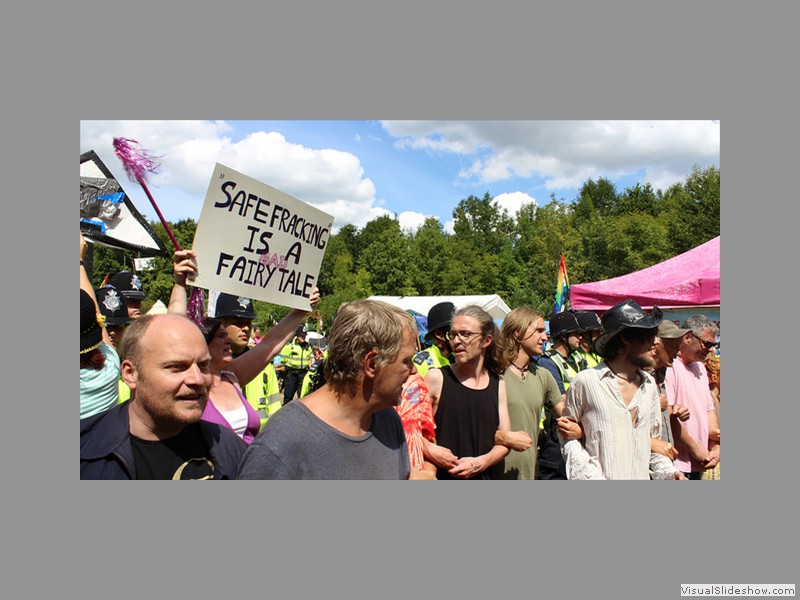
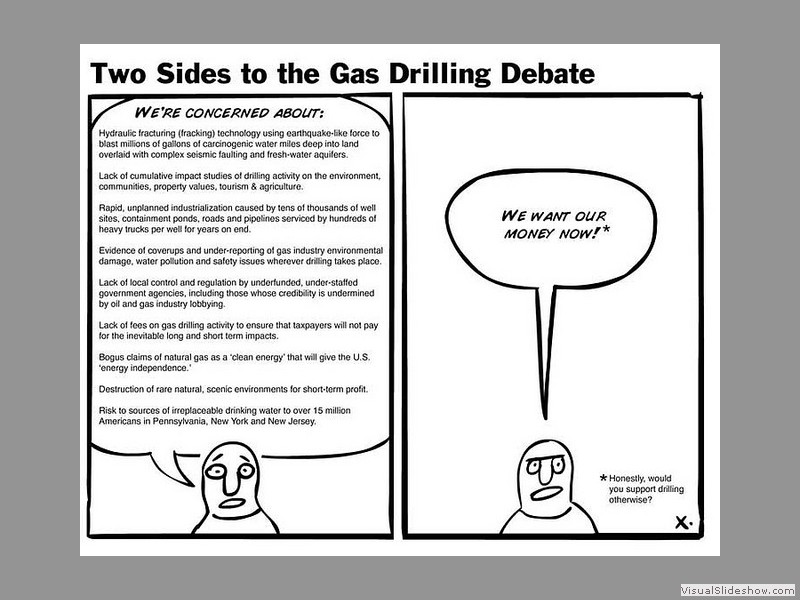
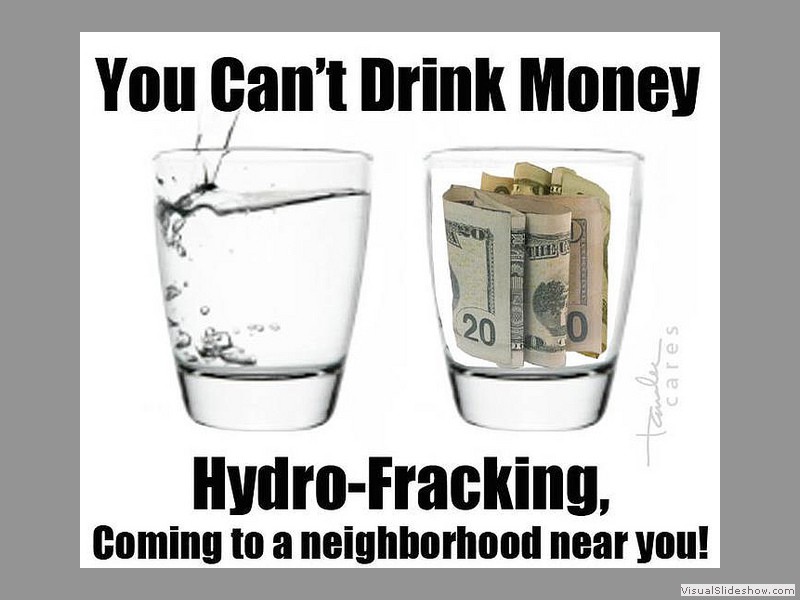
You’ll probably have heard about fracking. But what is it? Is it good or bad? Does it cause more pollution? Does it add to climate change? Or is it just another source of energy? There’s even a song about it! In this mini-guide, I’ll answer these questions. But first, check out my gallery to get some idea of what fracking is and why so many people around the world want it banned. By November 2019, fracking was banned totally in England so “no new fracking can take place anywhere in the country. The industry is effectively over in the UK” (Friends of the Earth).
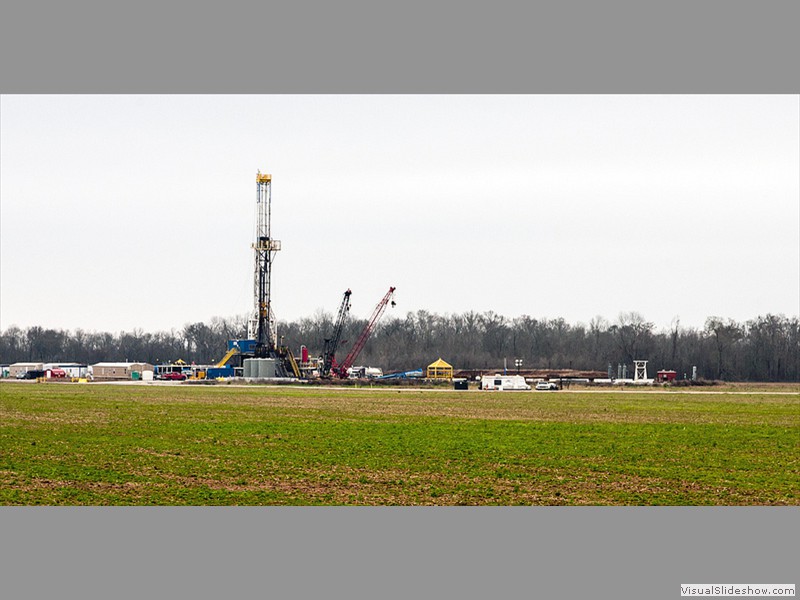
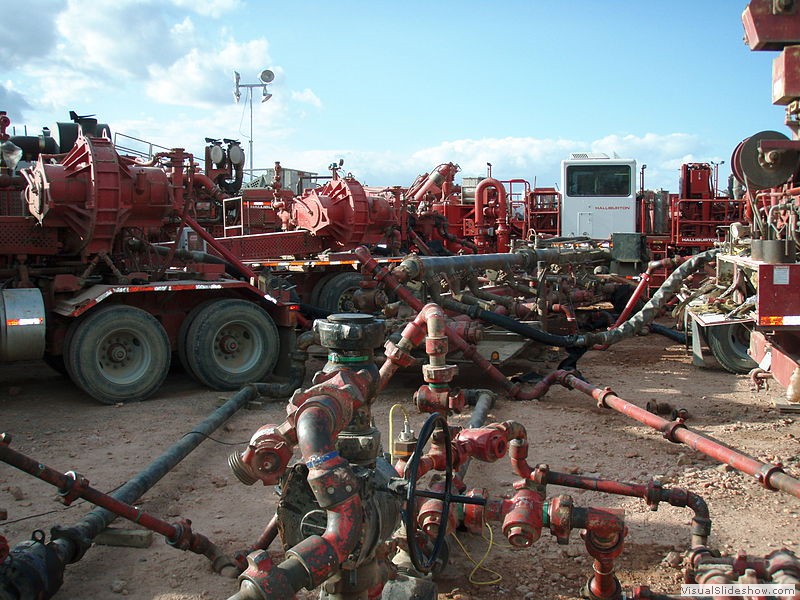
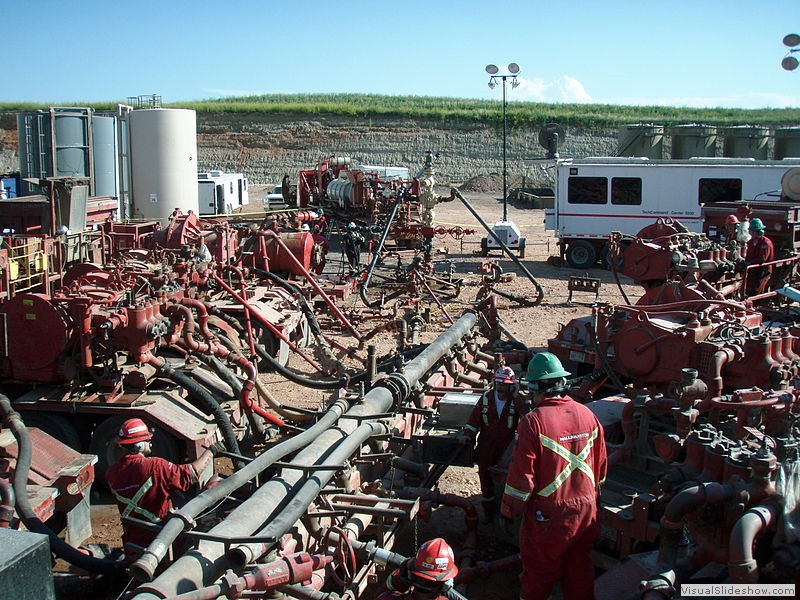
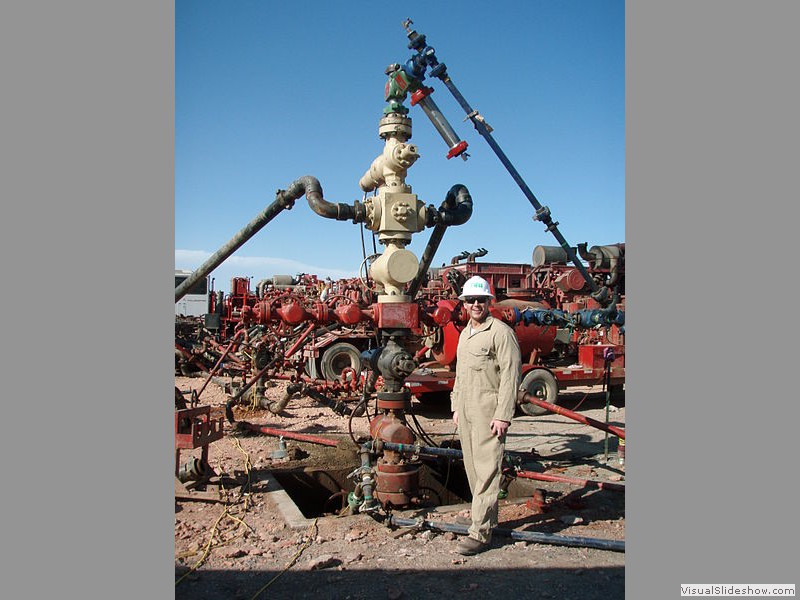

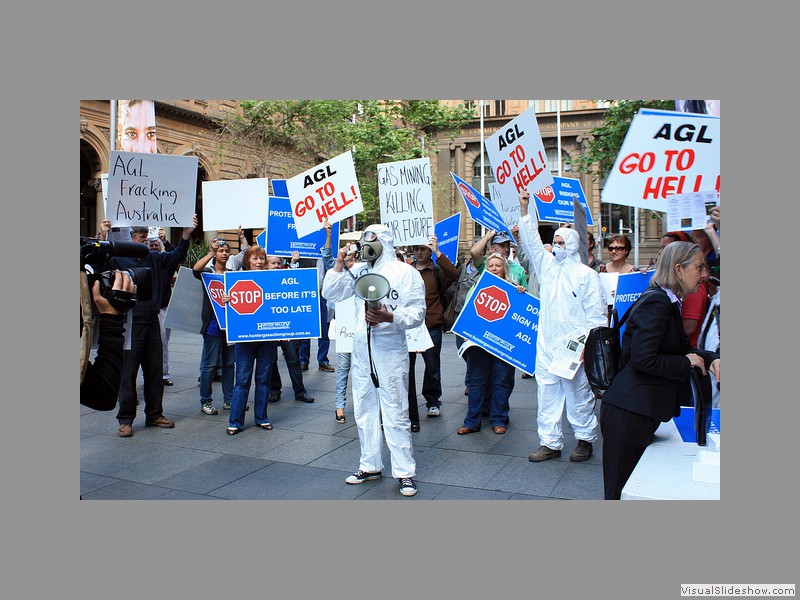
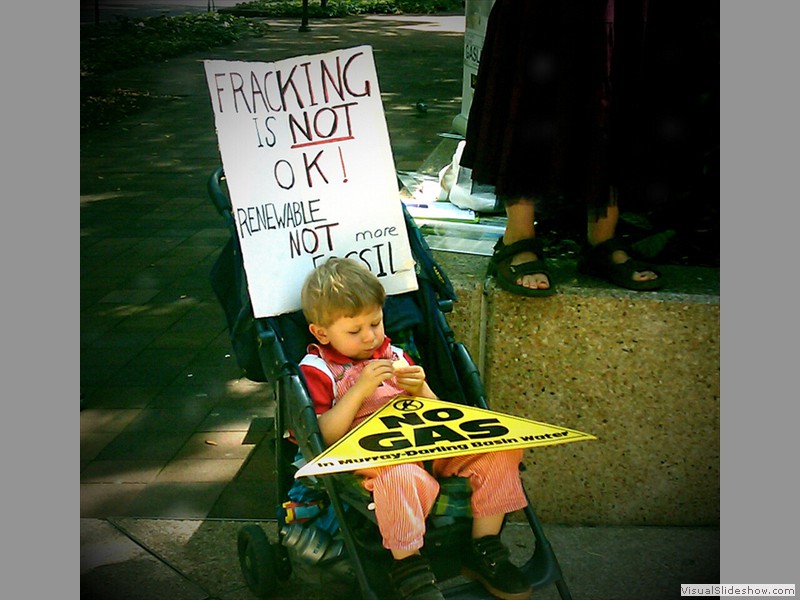
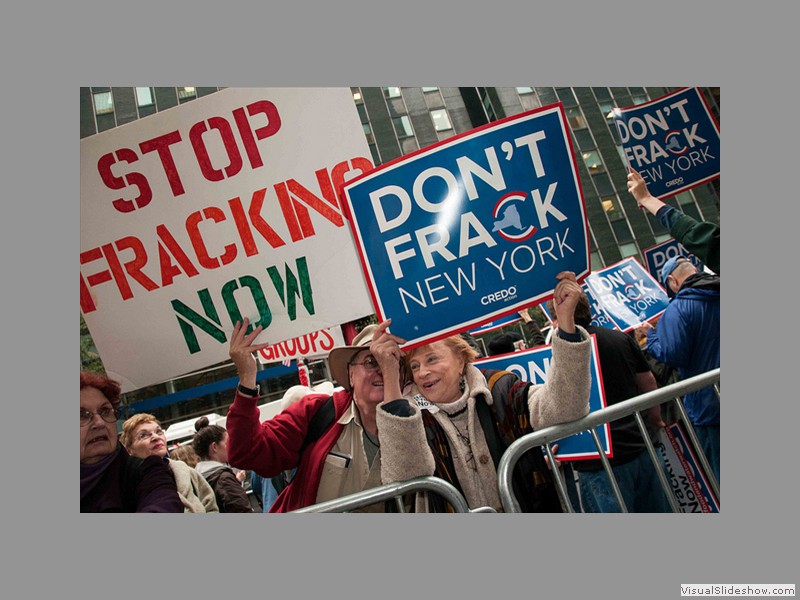
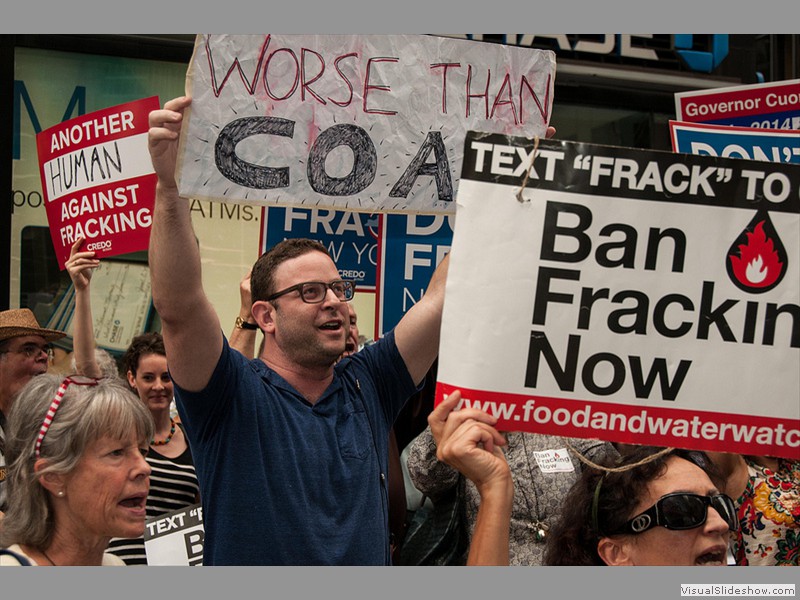
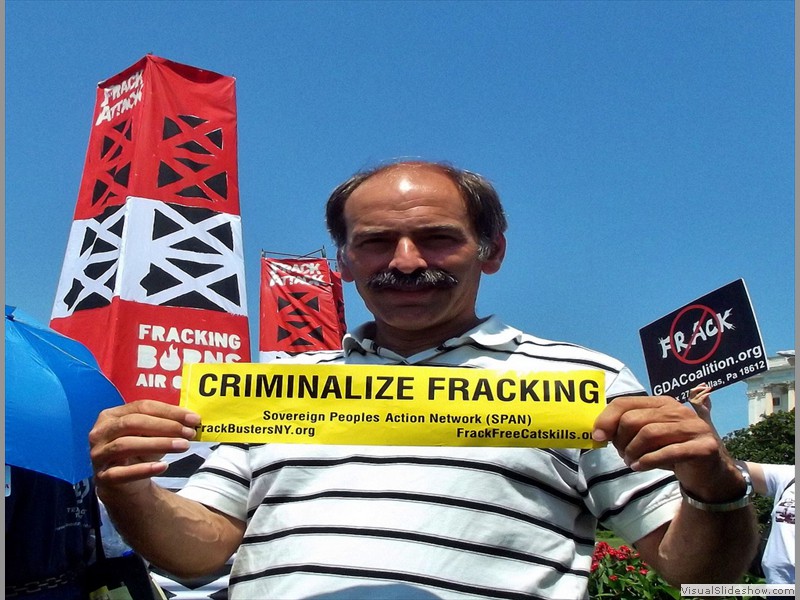
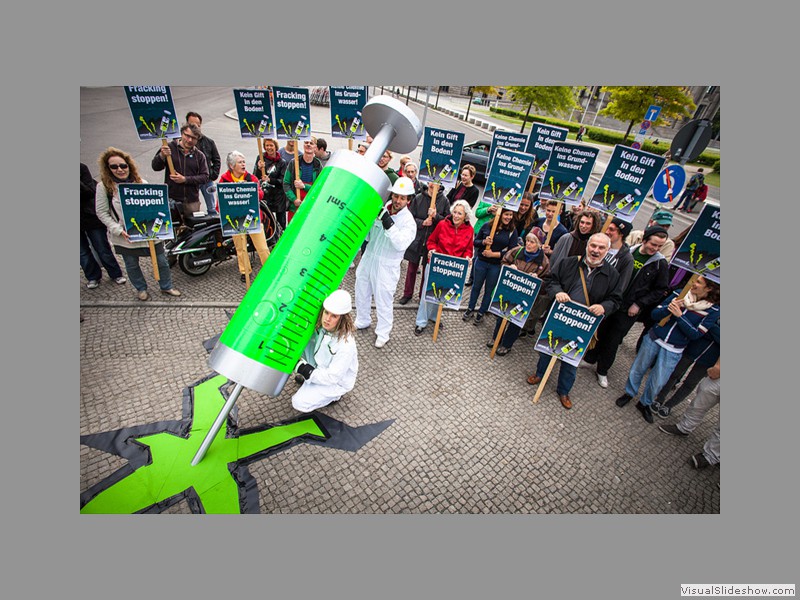

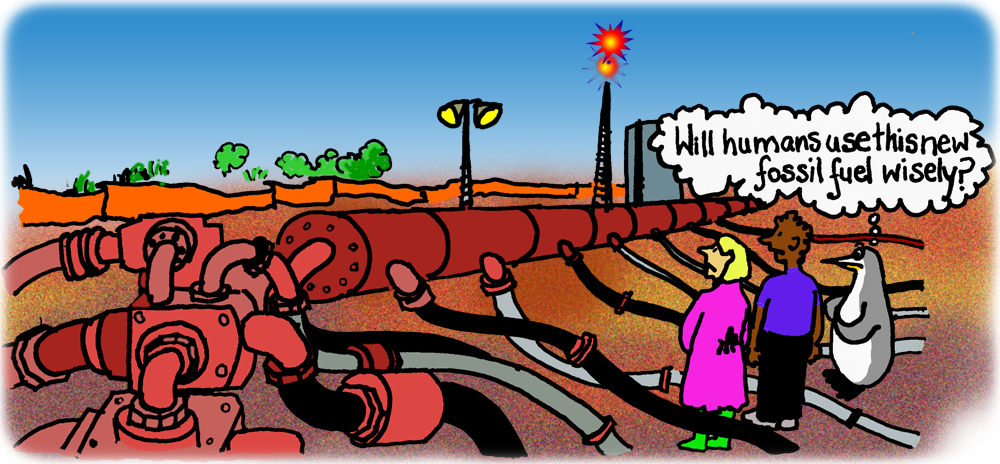
What is fracking? It’s a way of squeezing yet more What are fossil fuels? fossil fuels out of our planet. The word ‘fracking’ comes from ‘hydraulic fracturing’. The fuel in question is usually called ‘natural gas’ or just ‘gas‘ .
Normally, natural gas comes out of deep boreholes drilled to get at underground reservoirs of the gas (and usually oil too). The gas comes to the surface very easily because it’s at high pressure deep down. If you shake up a bottle of fizzy drink and then take the top off, the frothy gas comes gushing out. Natural gas from a normal drilled well behaves just like this. But petroleum geologists have discovered that there’s a huge amount of natural gas trapped in rocks called shale. If you bore a hole through it, the gas doesn’t come out. You know it’s there so how do you get it out? This is where fracking comes in.
 Oil, petroleum, natural gas, gasoline, petrol, coal, coke: all these are types of what people call ‘fossil fuels’. So why are they called ‘fossil fuels’? Because, like fossils of shells or plants which you can find in some rocks, they are old, often hundreds of millions of years old. In fact, fossil fuels are part of the remains of living things which once flourished on the planet, but died and became buried under thick layers of younger rocks. Coal is the best example of this. If you pick up a lump of coal, it’s black and shiny. What made it? Occasionally, you’ll find a clue in the form of impressions of plants, usually tree trunks. For coal started out as lush tropical swampy forest, bursting with rapidly growing trees and smaller plants. As they died, more plants grew in the swamps, covering and burying the dead ones whose remains did not decay because they were soaked by stagnant water. No air could get at them. Instead they became peat which got thicker as more swamp forest grew above them. Eventually, the weight of all the material above them became so great it squeezed the peat into the rock you call coal. It is almost pure carbon. And that’s where the trouble starts because carbon (coal) will burn in air (oxygen) to make heat. It is this which makes coal and the other fossil fuels so useful for people because the heat from them can be used to make homes comfortable in the winter. It can also be used to boil water and make steam to drive turbines and generators and so produce electricity. And carbon in its liquid form, petroleum, can make all kinds of chemicals and, of course, fuel for transport: cars, trucks, ships and aeroplanes. Petroleum and natural gas are not pure carbon. They are chemicals which contain hydrogen as well. So they’re often called ‘hydrocarbons’.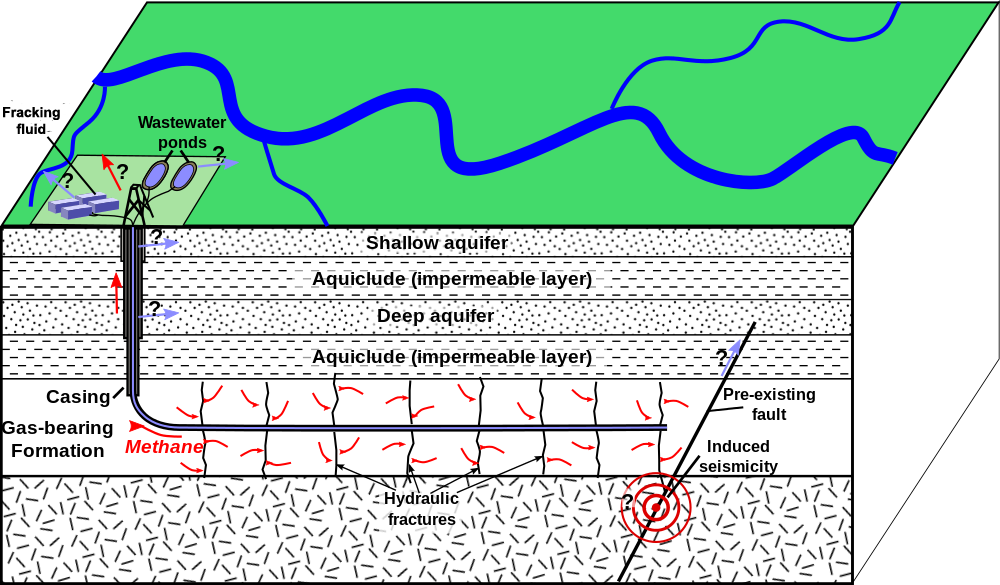
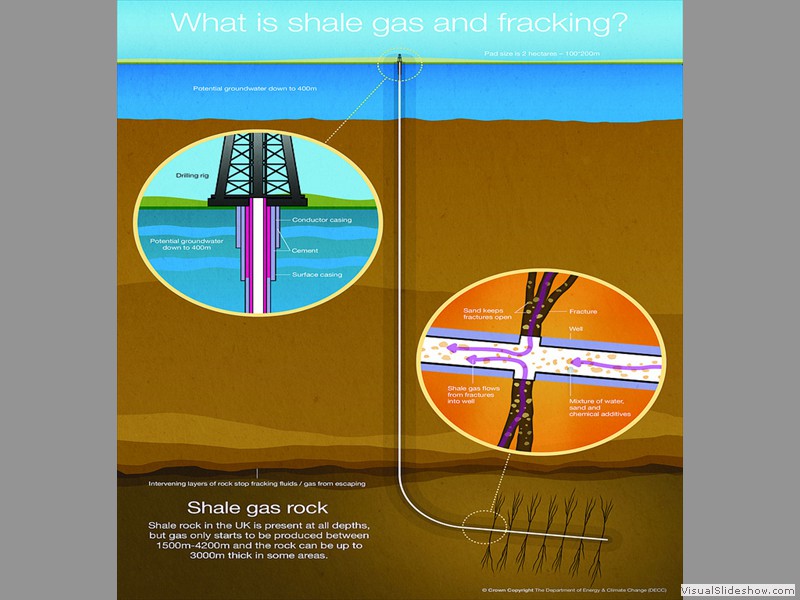
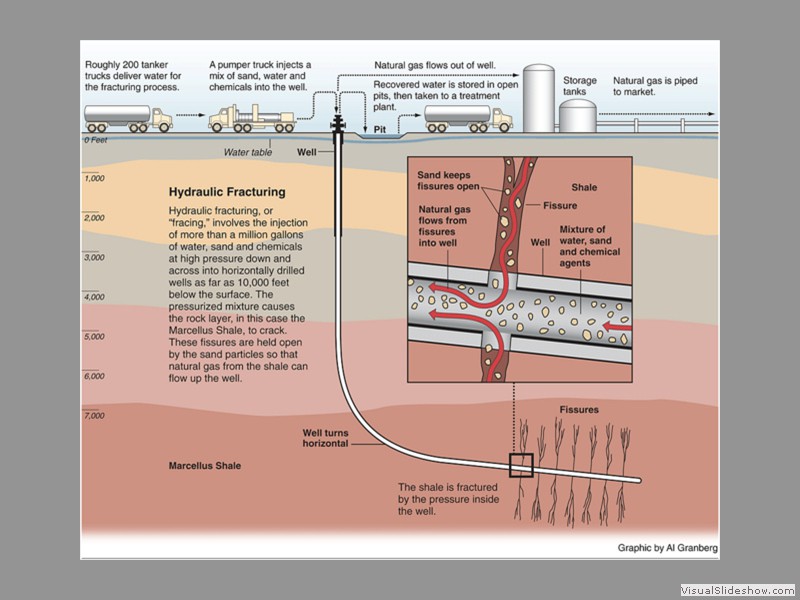
Petroleum engineers have become very smart in the way they can drill holes deep into the rock formations which lie beneath our feet. They can now get the drill to bend round so that it can chew its way at any angle, even flat (horizontal). This means they can accurately drill for a long way through a flat-lying ‘bed’ of shale with the trapped gas in it deep down below. What’s more,they can repeat this in different directions from the main borehole at the surface. Then the fracking starts. Engineers first must carefully ‘case‘ the well to prevent leaks and pollution of water-bearing rocks at shallower levels. Then they pump a fluid — water with sand and special chemicals in it — at very high pressures through the holes they have drilled in the shale deep below. This actually breaks up the shale by making lots of tiny fractures. Because the fracking fluid contains sand grains, the fractures can’t close again because the sand grains prop them open. When the fracking is completed, the shale gas begins to flow out of the fracked rock bringing the fluid with it. Some shales are rich in oil so oil is released as well as gas. And that’s it. The shale gas, as it is called, is then pumped along pipelines to wherever it’s needed just as with ‘normal’ natural gas.
Is fracking good or bad? As you’d guess, there are two sides to this. Some people think it’s wonderful and others think it’s going to be a disaster. Let’s look at the good points first.
Fracking: the good stuff
 shale gas is the same as ‘normal’ natural gas: methane, and is the cleanest — least polluting — of all the fossil fuels shale gas resources are vast and push up the world’s total reserves by almost half (around 650 trillion cubic metres or 23,000 trillion cubic feet) countries like the USA can reduce their dependence on ‘foreign’ energy importsused wisely, it could provide a lower-carbon energy ‘bridge’ as people wean themselves off fossil fuels and on to renewables like wind and solar
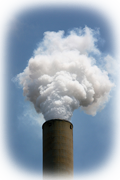 Coal not only makes more than double the carbon dioxide — CO2 — pollution for the same amount of heat, but adds a toxic cocktail of other pollution too (sulphur dioxide, radioactive ash, mercury). So although coal is a filthy fuel, it powers around 40 per cent of the world’s electricity generation and looks set to increase.
And the bad…
 fracking creates serious leaks of methane, a greenhouse gas which is around 25 times more powerful than CO2. Eventually methane breaks down to CO2 and water vapour, both major greenhouse gases themselves
it can cause small earthquakes
it needs vast amounts of water plus sand and many different chemicals. The sand and chemicals aid in keeping the fractures open so the gas can come out
some of this fluid may contaminate groundwater (drinking water underground) and the waste fracking fluids — called ‘flowback’ — can cause more pollution because they bring up from deep below stuff like salt, hydrogen sulphide gas and even radioactive radium
fracking also makes it possible to get methane out of deep coal seams and can be used to extract more oil from old oilwells and oilfields. Using more fossil fuel is not good when you think about pollution and greenhouse gases
because the USA has increased its use of shale gas to generate electric power by such a large amount, it is now using much less coal. Sounds good, doesn’t it? But that coal is still being mined and sold to Europe which doesn’t have so much gas. So as carbon emissions have gone down in the US, they’ve gone up in countries like Britain and Germany which have started guzzling cheap American coal. It’s an unfortunate fact that electricity-generating companies will always burn whatever fossil fuel is cheapest. For now, shale gas is cheap in the US whilst coal is cheapest in much of Europe. So the mining of coal — the filthiest but cheapest fuel for most countries — continues to go up. This ‘law of the jungle’ where the cheapest fuel is always burned to make the cheapest electricity (never mind the pollution) is, to be fair, not entirely the fault of the generating companies. It’s that no-one wants to pay more than they have to for energy and so they look for the cheapest supply.

 “If natural gas displaces coal, then fracking is good not only for the economy but also for the global environment. But if fracked gas merely displaces efforts to develop cleaner, non-carbon, energy sources without decreasing reliance on coal, the doom and gloom of more rapid global climate change will be realized.”
Extract from The Facts on Fracking by SUSAN L. BRANTLEY and ANNA MEYENDORFF, New York Times, March 13, 2013
 What does ‘hydraulic’ mean? Hydraulic means using a fluid, usually water, to transmit a force. A car’s braking system is operated by hydraulics and there are thousands of other uses. In a car when the driver pushes on the brake pedal, she is pushing a small piston in a cylinder filled with fluid. The force she exerts on the fluid runs through metal pipes to small cylinders and pistons on each road wheel. The movement of the pistons forces the brakes to apply and slows or stops the car
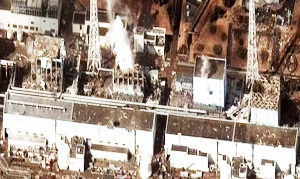 In March 2011, Japan was hit by a giant earthquake. This was followed by a tsunami (a series of huge ocean waves generated by the earthquake) which swamped and destroyed the emergency cooling pumps at the Fukushima nuclear plant (pictured) in Japan. Result: several reactors melted down in the second most serious nuclear accident ever. Even so, nobody died because of it whilst around 18,500 people died due to the earthquake and tsunami.
So kids: what do you reckon? You’ll be the ones who benefit from fracking… or, more likely, not. It’s easy to find information on fracking but I have included a few links (below) to sites you may find interesting or useful
Wikipedia article Hydraulic fracturing
Frack on or frack off: Can shale gas save the planet?
Frack Off Extreme Energy Action Network (UK)